
Products













We are actively taking measures to improve product quality levels.
Applications







Why Hamamatsu?
Support


Our company





Investors





Japan (EN)
Select your region or country.
Development of novel materials and synthetic techniques that transform the conventional paradigms of structural organic chemistry
Published July 29, 2026
Organoelement Chemistry Laboratory, Institute for Chemical Research, Kyoto University, is engaged in the synthesis of novel organic compounds and the elucidation of their properties. A wide range of aromatic compounds are extensively utilized as organic dyes and pigments in nature and in materials, playing vital roles in supporting both life and modern society. At this laboratory, research activities focus on the development of organic semiconductors and luminescent materials. These efforts encompass the design, synthesis, structural analysis, integration, and property evaluation of aromatic compounds. The evaluation of aromatic compounds requires a comprehensive set of measurements to clarify their optical and electronic characteristics. In addition to absorption and fluorescence spectra, parameters such as photoluminescence quantum yield and fluorescence lifetime must also be assessed. Our products are utilized in this laboratory to support these advanced characterization needs.
We interviewed Prof. Hiroko Yamada and Asst. Prof. Mitsuaki Yamauchi about their research, the background behind their adoption of our products, and their perspectives on future research directions.
- Current research
- The process of developing new organic compounds
- Motivation for research and its connection to society
- Novel research findings transforming conventional structural organic chemistry
- Hamamatsu photonics products supporting the research
- Prospects for future research
- Researcher profiles
Current research
Could you tell us about your research?
Yamada: In our group, we develop synthetic methodologies for new functional organic compounds and investigate the properties of organic semiconductors and organic dyes, such as acenes and porphyrins. In aromatic compounds, the photophysical properties—such as color and luminescence characteristics—change significantly depending on the molecular framework and the structure of substituents. However, as π-conjugation is extended, compounds tend to become less soluble in solvents and less stable, which makes their synthesis more difficult. We are conducting our research with an interest in both the synthesis and the properties of such π-conjugated extended compounds.
Yamauchi: I’m interested in the interdisciplinary field between supramolecular chemistry and materials chemistry, and our research focuses particularly on the creation of new properties and functions that arise from the highly ordered aggregated states of molecules. The research topic I would like to introduce here is ‘Aggregation-Induced Emission’ (AIE), in which organic molecules that are non-emissive in a molecularly dispersed state in solution become luminescent when they form thin films or crystals. This phenomenon is the opposite of the aggregation-caused quenching typically observed in conventional fluorescent dyes. In 2019, our research group discovered that the photoresponsive molecule azobenzene, which had not previously been regarded as a luminescent material, exhibits weak AIE. More recently, by feeding back insights into the molecular structure, we have found that it can exhibit a certain level of luminescence even in the solid state. Furthermore, through mesoscale morphology control, we have succeeded in observing sharp emission peaks similar to laser oscillation. Currently, we are focusing on the close relationship between molecular design and molecular assembly processes, and are advancing our research toward the development of highly functional photoresponsive luminescent materials.
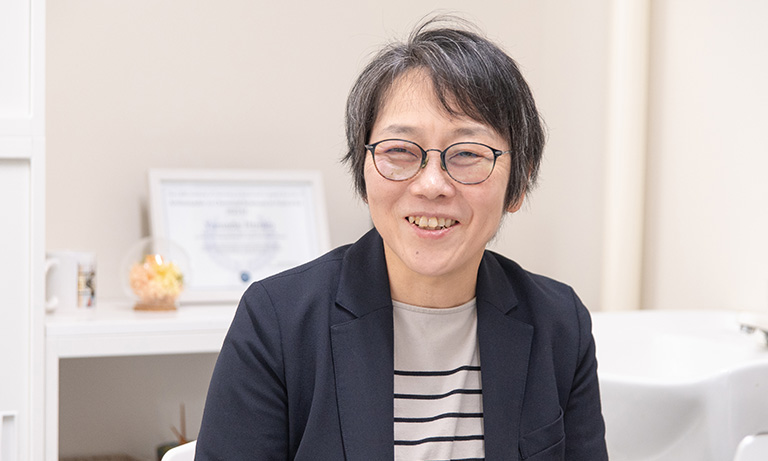
Professor Hiroko Yamada
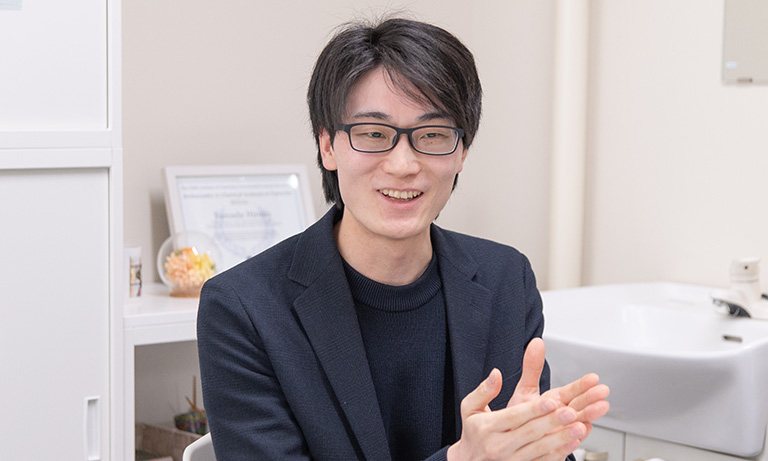
Assistant Professor Mitsuaki Yamauchi
The process of developing new organic compounds
What kind of process is involved in developing new organic compounds?
Yamada: In our laboratory, we are working on the development of new aromatic compounds with extended π-conjugation. By extending π-conjugation, the absorption and emission wavelengths of molecules shift from the visible region to the near-infrared region. To broaden the possibilities of light, we consistently carry out the entire processes—from molecular framework design and functional prediction to actual synthesis. The key to development lies in controlling solubility and crystallinity. Aromatic compounds with high planarity become less soluble (and more difficult to purify) as π-conjugation is extended; however, this also indicates that they possess the high crystallinity required for organic semiconductor materials. By designing optimal substituents, we skillfully control this trade-off.
The newly created molecules are not limited to evaluation of optical properties by spectroscopic measurements. We investigate how differences in substituents influence crystal structures and thin-film packing, and how these in turn affect charge mobility. By extending our evaluation to the level of transistor characteristics, we are creating next-generation electronic materials.
How long does it take from the conception of a new organic compound to obtaining the desired results after evaluation? Are there any criteria for selecting compounds for development?
Yamada: If we are improving compounds with established track records, results can sometimes be obtained within a few months; however, when tackling unexplored new structures, the project may take several years. In addition to synthesizing target compounds as intended, unexpected structures that arise accidentally during experiments can open entirely new areas of chemistry (serendipity), which is one of the great attractions of this research. Our role is to conduct fundamental research that forms the foundation for future materials development. Therefore, there are no fixed criteria aimed at achieving a single success. Instead, we continuously update our research through trial and error by repeatedly cycling through synthesis, evaluation, and design improvement on a daily basis.
Motivation for research and its connection to society
What motivates you in your research? Could you also share any memorable experiences?
Yamada: When we present the structures and properties of newly synthesized organic compounds at conferences or in academic papers, we sometimes receive offers for collaborative research from researchers and companies in various fields, such as organic electronics and surface-assisted synthesis. It is sometimes surprising to receive unexpected contact from people in the field we have never involved before. At the same time, it strongly reminds me that the compounds we created through trial and error are contributing to the advancement of new research. Such collaborations can occasionally lead to entirely new areas of science that we had never even imagined, and it can feel as though the compounds themselves are taking us into unknown worlds. In this way, seeing my research spread across the world and trigger new chemical reactions is my greatest source of motivation. In addition, when I started my career as a researcher at Ehime University, I published a paper on the photoprecursor method (a method for synthesizing high purity pentacene using photochemical reactions). This work has become a major foundation of our current research. It is also a great driving force for my daily research to feel that the knowledge and techniques we have steadily accumulated over time continue to live on in new forms even today.
Yamauchi: While engaging in fundamental research in organic and supramolecular chemistry, I have seen our research results find new value in unexpected ways and contribute to the advancement of other fields. My motivation stems from the hope that the organic molecules and photoresponsive luminescent materials we have developed will one day be useful to someone beyond the boundaries of research fields. When conducting fundamental research, we often encounter unexpected discoveries or phenomena. By carefully analyzing and elucidating these findings, we are able to provide new knowledge to the world. In fact, our research using azobenzene originated from such a serendipitous discovery. This research has the advantage that its luminescence signal can be controlled by light or heat, and we aim to link it to device applications, such as high-sensitivity sensors, in the future. This strong determination is what drives our research forward every day.
Are there particular regions or countries where research and development of organic compounds are especially active? Are there differences in research focus depending on the region?
Yamada: Research and development of organic compounds are actively conducted all over the world; however, there are clear differences in the direction of research themes and approaches depending on the region. For example, Europe has traditionally been strong in fundamental research, particularly in structural organic chemistry and the pursuit of molecular beauty. In recent years, it has also been leading the world in environmentally conscious and sustainable organic synthesis (green chemistry). In contrast, the United States has a strong foundation in advanced fundamental synthetic chemistry at a Nobel Prize level, while at the same time, the transition to social implementation and applied research—such as the creation of cutting-edge startups—is extremely fast. Meanwhile, in Asia, including China, South Korea, and Taiwan, there is tremendous energy being directed toward applied research in organic electronics, which is closely tied to display and semiconductor materials, often in alignment with national industrial strategies. In this way, it is very interesting to see how the industrial structures and historical backgrounds of each country or region are directly reflected in the strengths and directions of their research fields.
Novel research findings transforming conventional structural organic chemistry
Could you tell us about the paper published in February 2026, “Observation of Photophysical Processes of a Heptacene Derivative: Monomeric Behavior in Homogeneous Solution and Singlet Fission in Thin Film” [1] ?
Yamada: We focused on a phenomenon known as singlet fission (SF), which is attracting attention as a next-generation mechanism for solar cells and photoenergy conversion technologies. SF is a process in which a photoexcited singlet exciton (S1) generated by light absorption interacts with a neighboring ground-state (S0) molecule, resulting in the formation of two triplet excitons (T1). Normally, one photon produces one excited state; however, by utilizing SF, it is possible to generate two excited states from a single photon, thereby dramatically improving energy conversion efficiency. While SF has been known to occur in acenes such as tetracene and pentacene, it had remained unclear whether it could also occur in heptacene, a more extended π-conjugated system consisting of seven fused benzene rings. Heptacene is an attractive compound because it can absorb near-infrared light; however, it is highly reactive and easily oxidized. As a result, side reactions such as dimerization readily occur in solution, making it extremely difficult to achieve high purity synthesis. Using our original technique, the photoprecursor method, we successfully synthesized this heptacene derivative (TIPS-Hep) (Fig.1), and conducted studies to elucidate the excited-state dynamics in both solution and thin-film states.
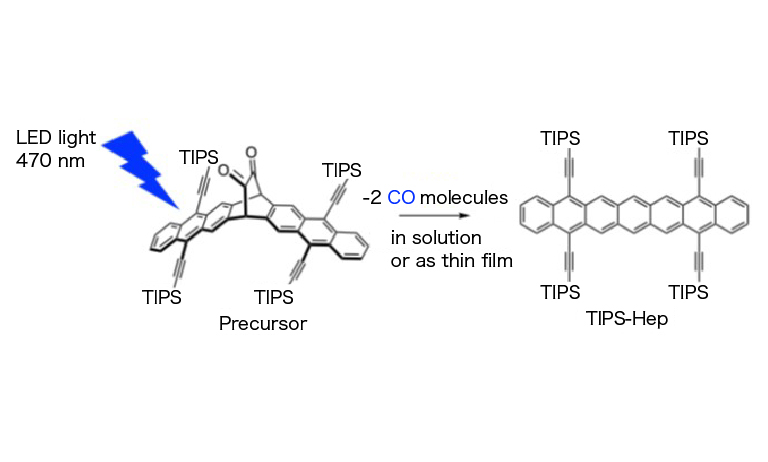
Figure 1: Synthesis of TIPS-Hep by photoprecursor approach
Yamada: First, we investigated a heptacene derivative in a dilute solution at room temperature and successfully measured the fluorescence spectrum of TIPS-Hep in tetrahydrofuran (THF). To our knowledge, there had been no previous reports under these conditions. Emission peaks were observed at 894 nm and 961 nm; however, the fluorescence quantum yield was extremely low, at 0.02%. We then measured the emission lifetime using a supercontinuum light source, SuperK CHROMATUNE, and a fluorescence lifetime measurement system, Quantaurus-Tau® . As a result, we found that the dynamics were extremely fast, with a lifetime of less than 0.1 ns (Fig.2), revealing monomeric behavior (single-molecule behavior) (Fig.3, left). However, in solution, the lifetime of the excited singlet state was too short to observe singlet fission.
On the other hand, we finally succeeded in observing SF in a TIPS-Hep thin film prepared by photoirradiation of a precursor film (Fig.3, right). We believe that this is because, in the thin-film (solid) state, the molecules are packed at appropriate distances, while undesirable side reactions such as dimerization are suppressed. This is the first observation of SF in higher acenes, representing a globally unprecedented achievement, and is expected to have a significant impact in the field of organic optoelectronics.
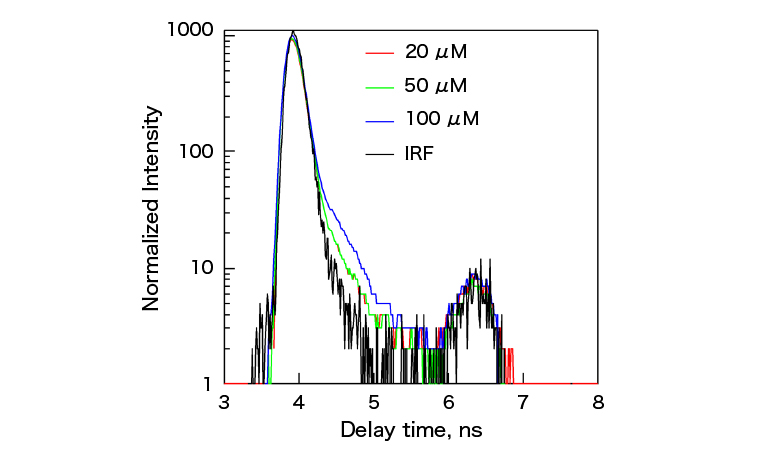
Figure 2: Fluorescence decay curves of TIPS-Hep in THF (λ ex= 820 nm, λem = 910 nm). Red: 20 micro M, Green: 50 micro M, Blue: 100 mivro M, Black: Instrument Response Function (IRF).
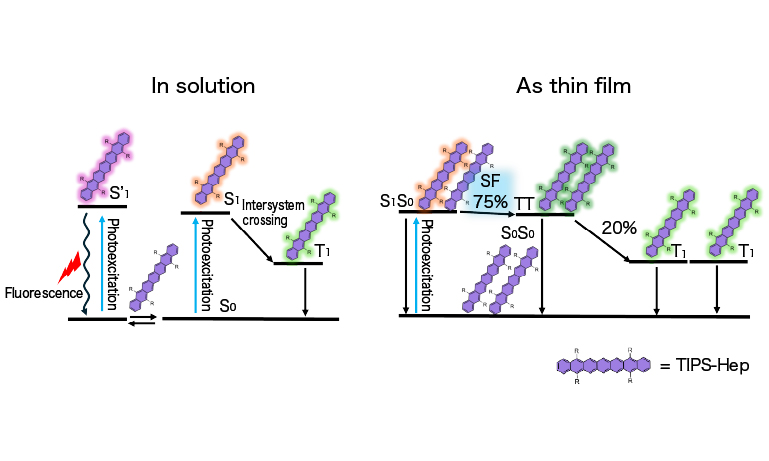
Figure 3: Excitation dynamics of TIPS-Hep in solution and as thin film.
A paper published in March 2026 in the Journal of the American Chemical Society, titled "Observation of Photophysical Processes of a Heptacene Derivative: Monomeric Behavior in Homogeneous Solution and Singlet Fission in Thin Film"
We understand that you are developing highly functional smart luminescent materials among luminescent materials. Could you tell us about your research?
Yamauchi: When people hear the term “luminescent materials,” they typically imagine materials that emit light steadily. However, the materials we are developing not only emit light, but also possess the ability to control their emission wavelength and intensity in response to external stimuli, such as light and heat. In other words, they are “dual-function” luminescent materials that combine emission and switching functionalities.
In general, to introduce such multifunctionality, luminescent molecules are combined with photoresponsive molecules. However, this approach often requires multistep synthesis, which increases the overall synthetic cost. In contrast, the azobenzene-based luminescent materials we are studying can achieve both functionalities within a single system. This enables the development of smart luminescent materials while minimizing synthetic costs (Fig.4). In this research, in addition to exhibiting different emission wavelengths depending on crystal polymorphism, the materials show multiple sharp emission peaks resembling laser oscillation when formed into microparticles. These sharp emissions can also be controlled by light, providing a switching function. Furthermore, these luminescent microparticles exhibit different emission spectra depending on their shape and size. This suggests that each microparticle possesses its own unique characteristics. By understanding and utilizing these characteristics effectively, we believe these materials hold great promise for applications in advanced security devices.
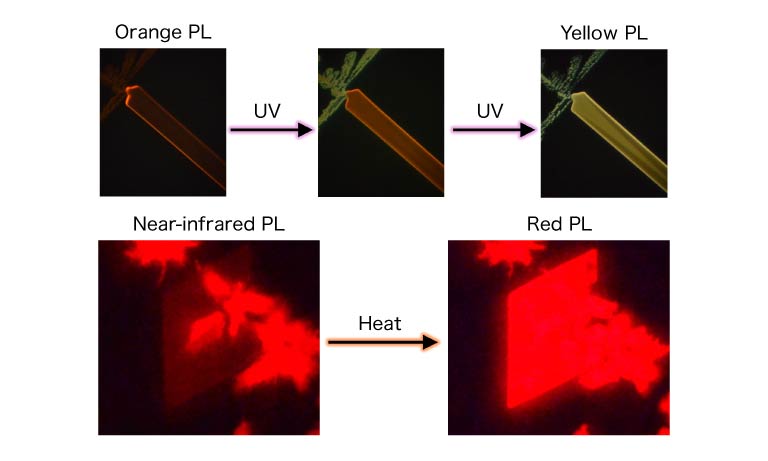
Figure 4: Photoluminescence images of azobenzene-based organic crystals and control of emission color by photo- and thermal stimuli.
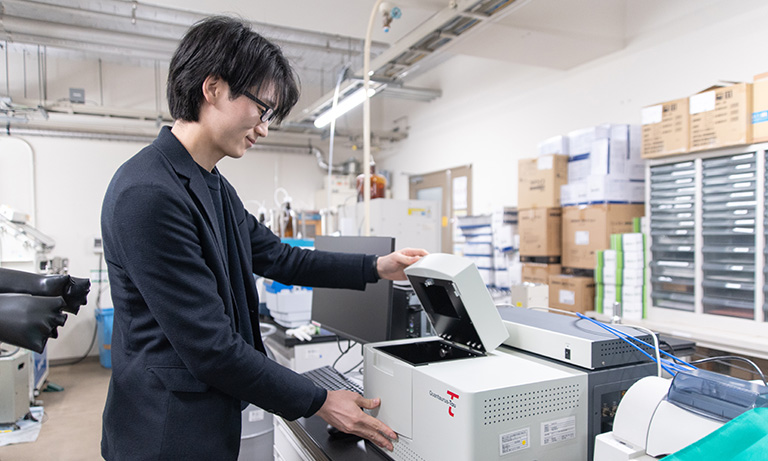
Hamamatsu photonics products supporting the research
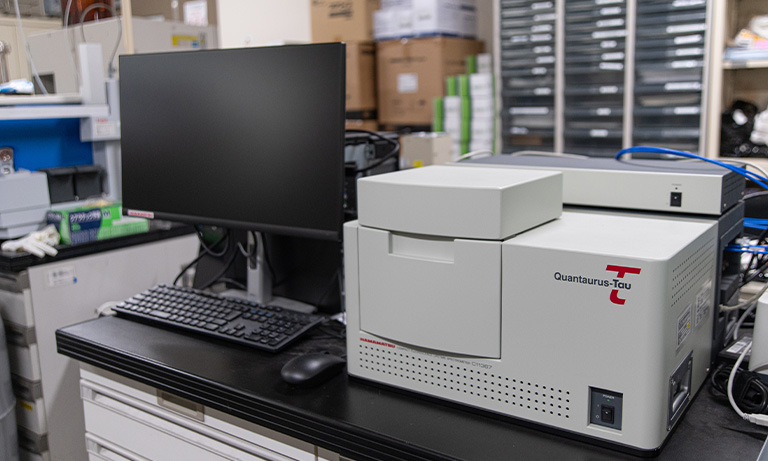
Quantaurus-Tau used in the laboratory
Your laboratory has long been using our products, including in the research presented in this paper. Could you tell us how our products have contributed to your research?
Yamada: In this study, we used the supercontinuum light source SuperK CHROMATUNE and the fluorescence lifetime measurement system Quantaurus-Tau. Our laboratory had already been using Quantaurus-Tau, but in order to further expand the scope of our measurements, we contacted Hamamatsu Photonics to ask, “Is there a more optimal light source suited to our research?” We were then introduced to the SuperK CHROMATUNE. This light source covers a wide wavelength range as a broadband source and provides highly stable illumination. For our research, which required accurately capturing extremely weak and ultrafast fluorescence lifetimes in the near-infrared region, it offered exactly the specifications we needed.
Yamauchi: I also use the Quantaurus-Tau in my research. One of the major advantages of Hamamatsu Photonics products is that they are designed from a user-oriented perspective and are extremely easy to use. Normally, when constructing an optical system ourselves, it takes time to reproduce the same measurement conditions each time. However, with the Quantaurus-Tau, we can obtain highly reproducible data quickly by simply setting the sample and adjusting a few parameters. The software is also user-friendly and intuitive to operate, allowing even beginners to handle measurements correctly, which contributes to accelerating our research.
Prospects for future research
Could you share your future research outlook and any expectations you may have for Hamamatsu Photonics?
Yamauchi: The performance of the smart luminescent materials we are currently developing is still at an early stage. Therefore, we would like to further advance modifications of molecular structures and establish methods that allow these materials to be synthesized more easily. In particular, we believe that this research has strong potential compatibility with security devices, and we aim to further control their properties and functions toward practical implementation. We also hope to continue using your instruments to evaluate luminescent materials in our future research.
Yamada: Our laboratory is engaged in research on a wide variety of organic compounds, and through this study, we expect to further advance the understanding of the properties of higher acenes, which have been difficult to handle until now. Since research on higher acenes mainly involves spectral measurements in the near-infrared region, we would greatly appreciate it if your company could further expand its lineup of instruments capable of near-infrared spectroscopy.
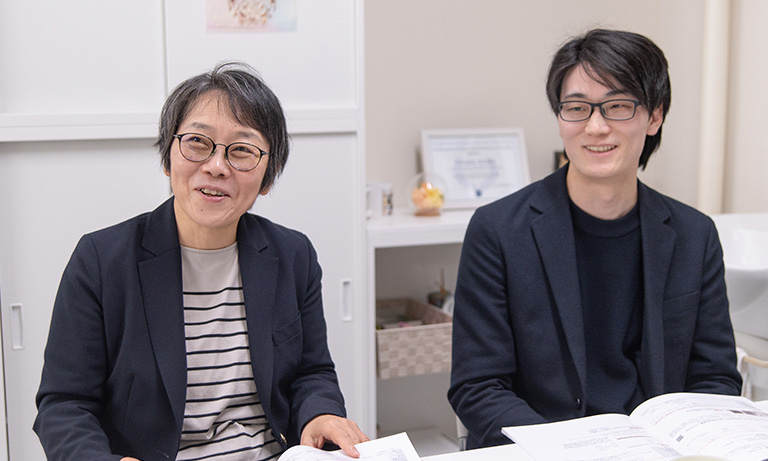
Researcher profiles
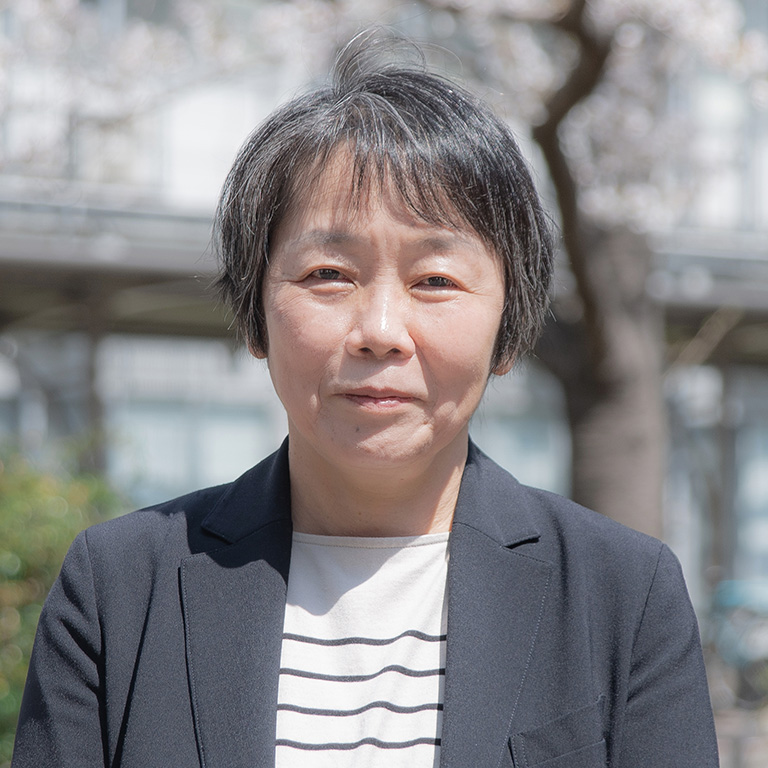
Hiroko Yamada
Professor, Institute for Chemical Research, Kyoto University
Mar. 1992
PhD from Graduate School of Science, Kyoto University, Japan
Oct. 2003
Associate professor, Ehime University
Jan. 2011
Associate professor, Nara Institute of Science and Technology
Apr. 2012
Full professor, Nara Institute of Science and Technology
Apr. 2023
Professor, Institute for Chemical Research, Kyoto University

Mitsuaki Yamauchi
Assistant Professor, Institute for Chemical Research, Kyoto University
Mar. 2017
PhD from Graduate School of Engineering, Chiba University, Japan
Apr. 2017
Assistant Professor, Kwansei Gakuin University
Apr. 2022
Specially Appointed Assistant Professor, Nara Institute of Science and Technology
Apr. 2023
Specially Appointed Assistant Professor, Institute for Chemical Research, Kyoto University
Nov. 2023
Assistant Professor, Institute for Chemical Research, Kyoto University
*The content presented on this page is based on an interview conducted in April 2026
References:
[1] S. Suzuki, H. Sakai, M. Yamauchi, H. Hayashi, Y. Mizuhata, T. Kato, T. Hirose, T. Hasobe, and H. Yamada, “Observation of Photophysical Processes of a Heptacene Derivative: Monomeric Behavior in Homogeneous Solution and Singlet Fission in Thin Film,” J. Am. Chem. Soc., vol. 148, pp. 6000–6011, 2026, doi: 10.1021/jacs.5c14689.
Related product
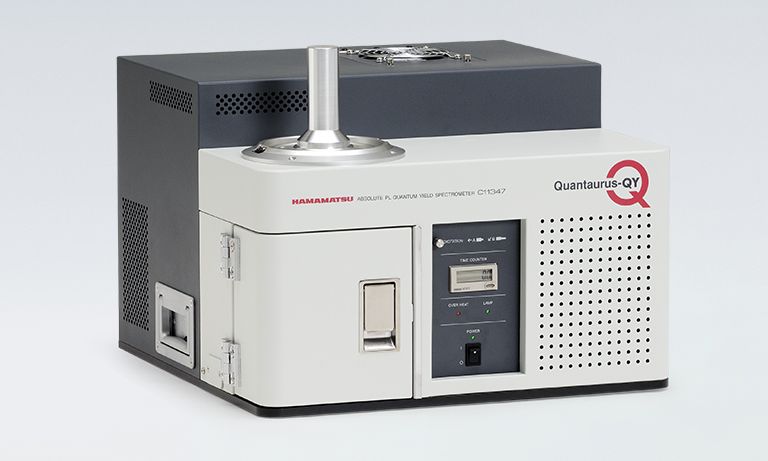
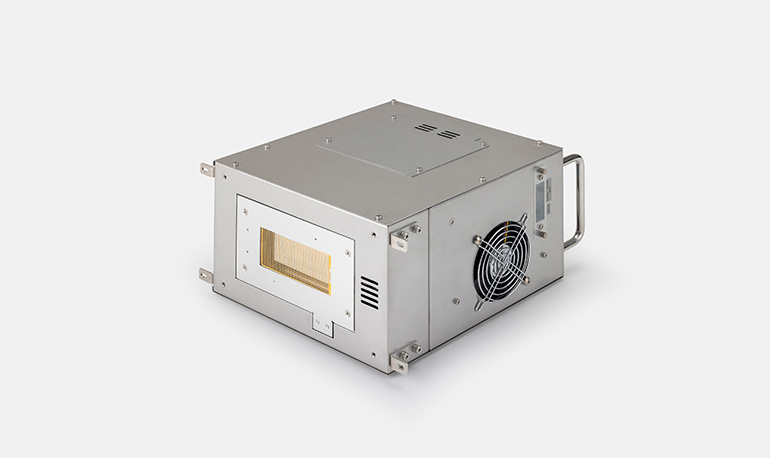
Compact one-box absolute quantum yield spectrometer for luminescence materials using photoluminescence method. Not only thin materials but also liquid solution and powder can be analyzed. It quickly measures the absolute PL quantum yield, excitation wavelength dependence and PL in a short time.
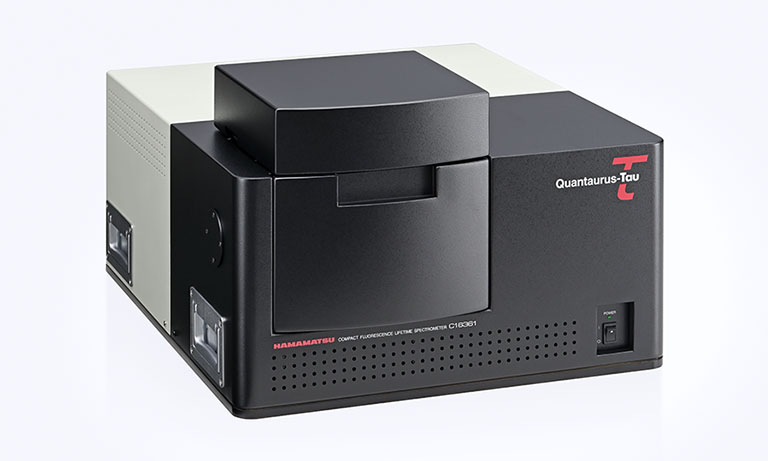
Compact one-box fluorescence lifetime measurement system to measure fluorescence lifetime and PL spectrum with easy operation and high precision.
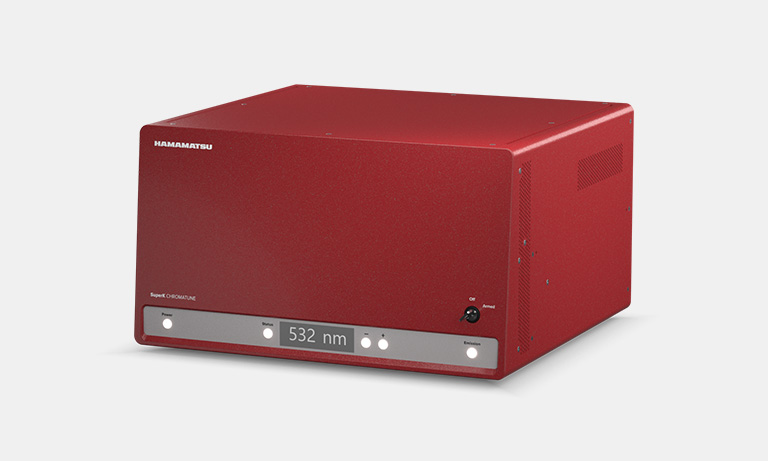
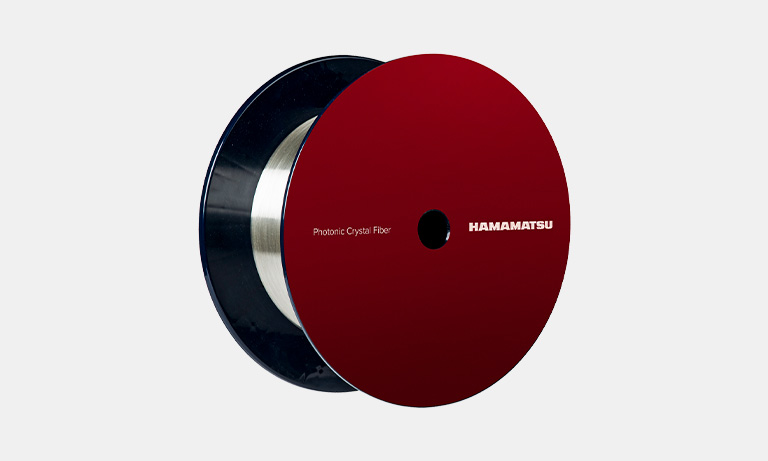
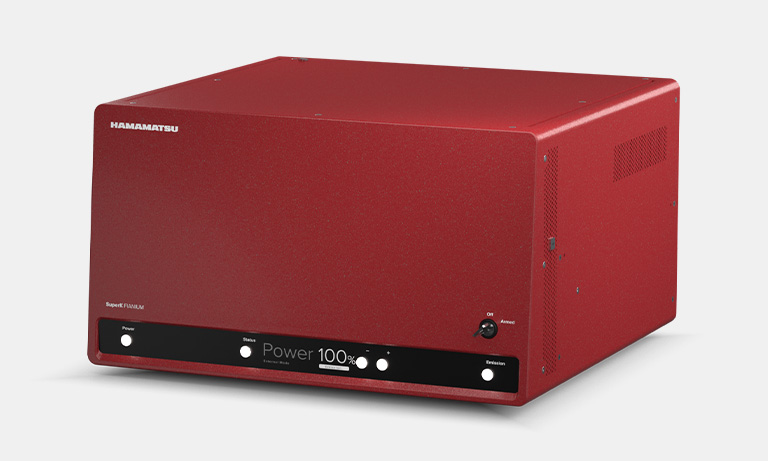
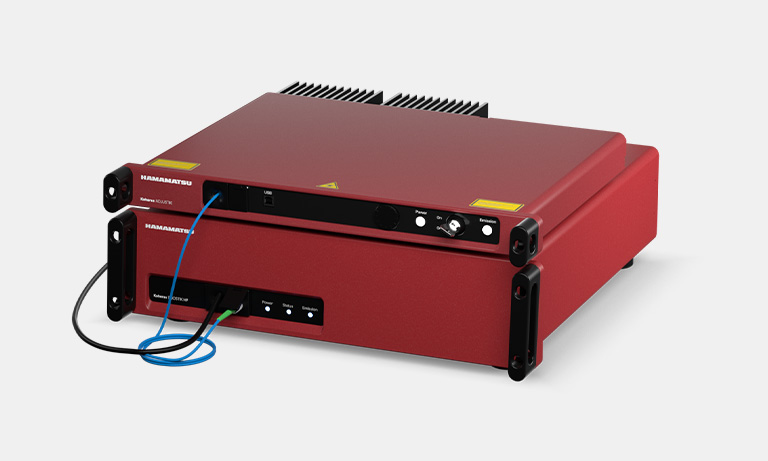
The supercontinuum white light lasers are a white light laser source capable of outputting broadband laser light. They provide high-quality light over an extremely wide wavelength range and are suitable for various applications such as bioimaging and semiconductor inspection.
- Confirmation
-
It looks like you're in the . If this is not your location, please select the correct region or country below.
You're headed to Hamamatsu Photonics website for JP (English). If you want to view an other country's site, the optimized information will be provided by selecting options below.
In order to use this website comfortably, we use cookies. For cookie details please see our cookie policy.
- Cookie Policy
-
This website or its third-party tools use cookies, which are necessary to its functioning and required to achieve the purposes illustrated in this cookie policy. By closing the cookie warning banner, scrolling the page, clicking a link or continuing to browse otherwise, you agree to the use of cookies.
Hamamatsu uses cookies in order to enhance your experience on our website and ensure that our website functions.
You can visit this page at any time to learn more about cookies, get the most up to date information on how we use cookies and manage your cookie settings. We will not use cookies for any purpose other than the ones stated, but please note that we reserve the right to update our cookies.
1. What are cookies?
For modern websites to work according to visitor’s expectations, they need to collect certain basic information about visitors. To do this, a site will create small text files which are placed on visitor’s devices (computer or mobile) - these files are known as cookies when you access a website. Cookies are used in order to make websites function and work efficiently. Cookies are uniquely assigned to each visitor and can only be read by a web server in the domain that issued the cookie to the visitor. Cookies cannot be used to run programs or deliver viruses to a visitor’s device.
Cookies do various jobs which make the visitor’s experience of the internet much smoother and more interactive. For instance, cookies are used to remember the visitor’s preferences on sites they visit often, to remember language preference and to help navigate between pages more efficiently. Much, though not all, of the data collected is anonymous, though some of it is designed to detect browsing patterns and approximate geographical location to improve the visitor experience.
Certain type of cookies may require the data subject’s consent before storing them on the computer.
2. What are the different types of cookies?
This website uses two types of cookies:
- First party cookies. For our website, the first party cookies are controlled and maintained by Hamamatsu. No other parties have access to these cookies.
- Third party cookies. These cookies are implemented by organizations outside Hamamatsu. We do not have access to the data in these cookies, but we use these cookies to improve the overall website experience.
3. How do we use cookies?
This website uses cookies for following purposes:
- Certain cookies are necessary for our website to function. These are strictly necessary cookies and are required to enable website access, support navigation or provide relevant content. These cookies direct you to the correct region or country, and support security and ecommerce. Strictly necessary cookies also enforce your privacy preferences. Without these strictly necessary cookies, much of our website will not function.
- Analytics cookies are used to track website usage. This data enables us to improve our website usability, performance and website administration. In our analytics cookies, we do not store any personal identifying information.
- Functionality cookies. These are used to recognize you when you return to our website. This enables us to personalize our content for you, greet you by name and remember your preferences (for example, your choice of language or region).
- These cookies record your visit to our website, the pages you have visited and the links you have followed. We will use this information to make our website and the advertising displayed on it more relevant to your interests. We may also share this information with third parties for this purpose.
Cookies help us help you. Through the use of cookies, we learn what is important to our visitors and we develop and enhance website content and functionality to support your experience. Much of our website can be accessed if cookies are disabled, however certain website functions may not work. And, we believe your current and future visits will be enhanced if cookies are enabled.
4. Which cookies do we use?
There are two ways to manage cookie preferences.
- You can set your cookie preferences on your device or in your browser.
- You can set your cookie preferences at the website level.
If you don’t want to receive cookies, you can modify your browser so that it notifies you when cookies are sent to it or you can refuse cookies altogether. You can also delete cookies that have already been set.
If you wish to restrict or block web browser cookies which are set on your device then you can do this through your browser settings; the Help function within your browser should tell you how. Alternatively, you may wish to visit www.aboutcookies.org, which contains comprehensive information on how to do this on a wide variety of desktop browsers.
5. What are Internet tags and how do we use them with cookies?
Occasionally, we may use internet tags (also known as action tags, single-pixel GIFs, clear GIFs, invisible GIFs and 1-by-1 GIFs) at this site and may deploy these tags/cookies through a third-party advertising partner or a web analytical service partner which may be located and store the respective information (including your IP-address) in a foreign country. These tags/cookies are placed on both online advertisements that bring users to this site and on different pages of this site. We use this technology to measure the visitors' responses to our sites and the effectiveness of our advertising campaigns (including how many times a page is opened and which information is consulted) as well as to evaluate your use of this website. The third-party partner or the web analytical service partner may be able to collect data about visitors to our and other sites because of these internet tags/cookies, may compose reports regarding the website’s activity for us and may provide further services which are related to the use of the website and the internet. They may provide such information to other parties if there is a legal requirement that they do so, or if they hire the other parties to process information on their behalf.
If you would like more information about web tags and cookies associated with on-line advertising or to opt-out of third-party collection of this information, please visit the Network Advertising Initiative website http://www.networkadvertising.org.
6. Analytics and Advertisement Cookies
We use third-party cookies (such as Google Analytics) to track visitors on our website, to get reports about how visitors use the website and to inform, optimize and serve ads based on someone's past visits to our website.
You may opt-out of Google Analytics cookies by the websites provided by Google:
https://tools.google.com/dlpage/gaoptout?hl=en
As provided in this Privacy Policy (Article 5), you can learn more about opt-out cookies by the website provided by Network Advertising Initiative:
http://www.networkadvertising.org
We inform you that in such case you will not be able to wholly use all functions of our website.
Close