
Products












We are actively taking measures to improve product quality levels.
Applications





Why Hamamatsu?
Support


Our company





Investors




Japan (EN)
Select your region or country.
The origins of Hamamatsu Photonics
Dr. Kenjiro Takayanagi and Hamamatsu Photonics
On December 25, 1925, the Japanese character “イ” was displayed on a cathode ray tube for the first time in the world. Dr. Kenjiro Takayanagi, who succeeded in developing this electronic television, later came to be known as the "Father of Japanese Television."
Hamamatsu Photonics was founded by Heihachiro Horiuchi, the company’s first president, and Teruo Hiruma, its second president, both of whom studied under Dr. Takayanagi at Hamamatsu School of Technology. At the time of its founding, the company was named Hamamatsu TV Co., Ltd. The name reflected the company’s founding mission: to carry forward the spirit of Dr. Takayanagi and connect light with industry. Because Dr. Takayanagi and television were closely associated in the public mind, the name “Hamamatsu TV” was chosen as a symbol of that aspiration.
Since then, we have inherited both the “photoelectric technology” pioneered by Dr. Takayanagi—which converts light into electrical signals—and his spirit of pursuing frontiers previously unknown and unexplored by humanity. Together with the advancement of photonics, these principles have guided our growth.
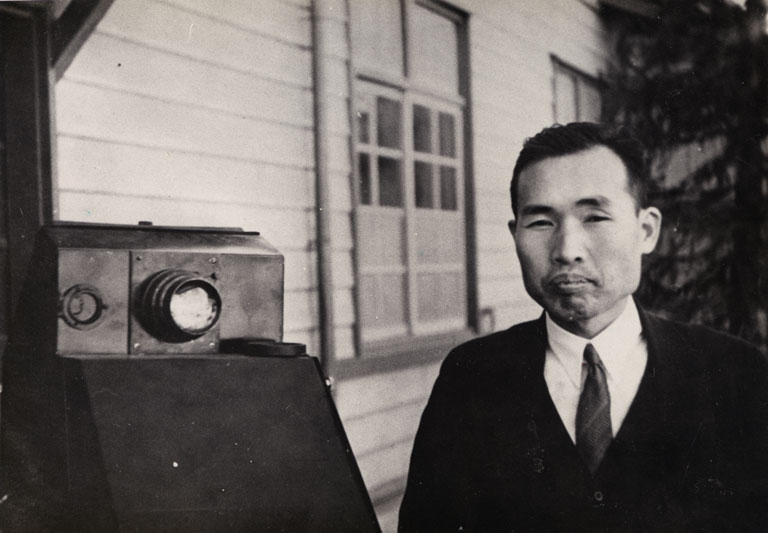
Dr. Kenjiro Takayanagi (1899 to 1990)
Dr. Kenjiro Takayanagi - “Father of Japanese television”
Dr. Kenjiro Takayanagi was born in Hamamatsu, Japan in 1899, and graduated from the industrial teacher training school attached to the Tokyo Kuramae Higher Technical School (now Tokyo Institute of Technology). In 1924, he took a post as an assistant professor at Hamamatsu School of Technology (now the Faculty of Engineering of Shizuoka University), and at the same time he started research on television technology.
He spoke to his students from time to time saying things like, “What is the purpose of that technology? Will technology prove beneficial to our lives? Make these questions a fundamental part of your research at all times.” He also admonished us not to “learn for learning’s sake” and “research for research’s sake” and always struggled to link the acts of learning and research to value in human life and human society. He never changed this philosophy throughout his whole life.
Heihachiro Horiuchi, the founder of our company
(1915 to 1997)
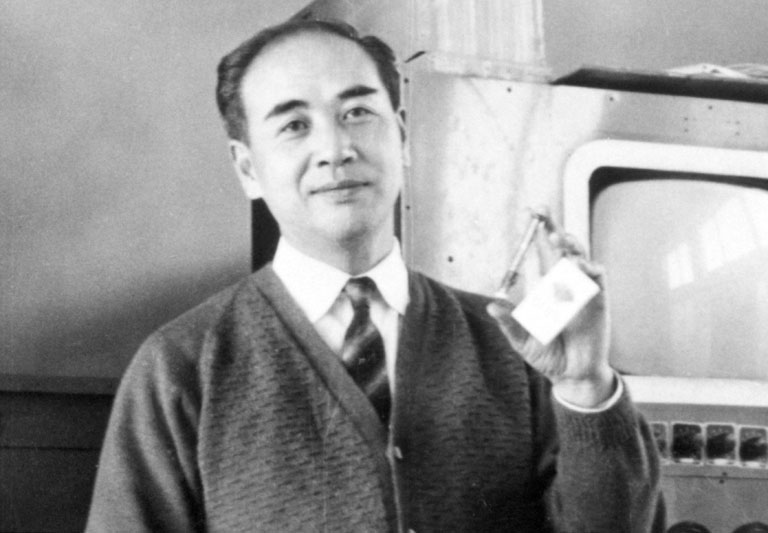
Horiuchi with a vidicon in hand.
Being fascinated by the wonders of light since his elementary school days, Heihachiro Horiuchi entered the Electrical Department of Hamamatsu Industrial High School (now the Faculty of Engineering of Shizuoka University) where his hero Professor Takayanagi was teaching and was greatly inspired by the professor’s philosophy called Takayanagi-ism. Horiuchi decided to follow this “path of light” by providing society with the means or namely products that would make effective use of light and he worked on developing photoelectric devices that convert light into electrical signals and even now this basic technology still supports our work.
Teruo Hiruma, second president
(1926 to 2018)

Speech at the Hamamatsu Conference in 2007
Teruo Hiruma strongly advanced the challenge of exploring the unknown and unexplored, a spirit inherited from Dr. Takayanagi and Heihachiro Horiuchi, and made Hamamatsu Photonics grow into a global photonics company. As a sales engineer specializing in photonics, he personally built our worldwide sales network. At the same time, he laid the foundation for long-term research and development initiatives looking 20 to 31 years into the future, including PET research and laser fusion research.
A legacy of technology—the evolution of product development at Hamamatsu Photonics
The history of our product development began with phototubes based on photoelectric technology inherited from Dr. Takayanagi. Through our continued pursuit of the possibilities of light, we have developed a wide range of unique technologies and products.
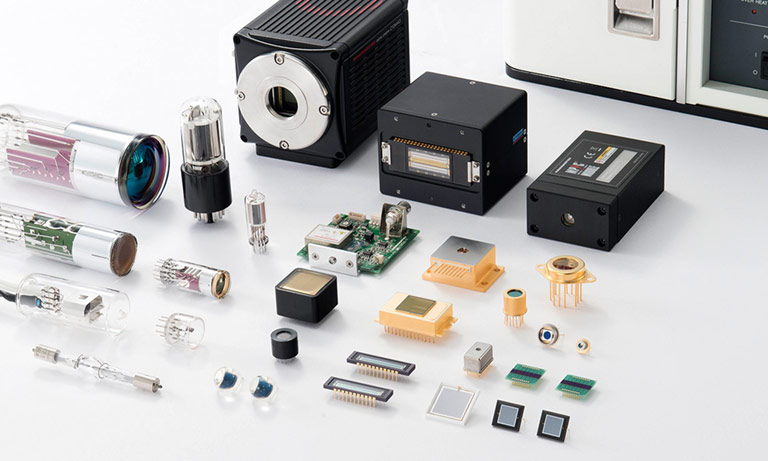
Today, we develop and manufacture devices such as optical sensors (e.g., photomultiplier tubes and opto-semiconductor devices) and light sources, as well as modules incorporating dedicated circuitry and system products built around these technologies. Together, they enable us to provide optimal solutions for a broad range of applications.
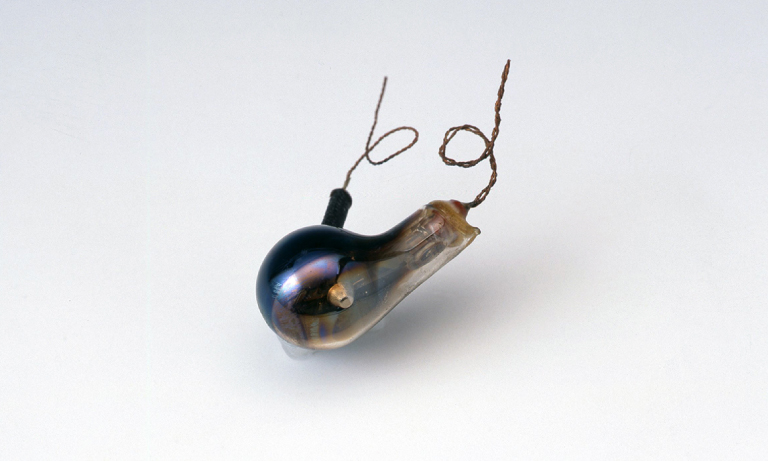
One of Hamamatsu Photonics' earliest phototube
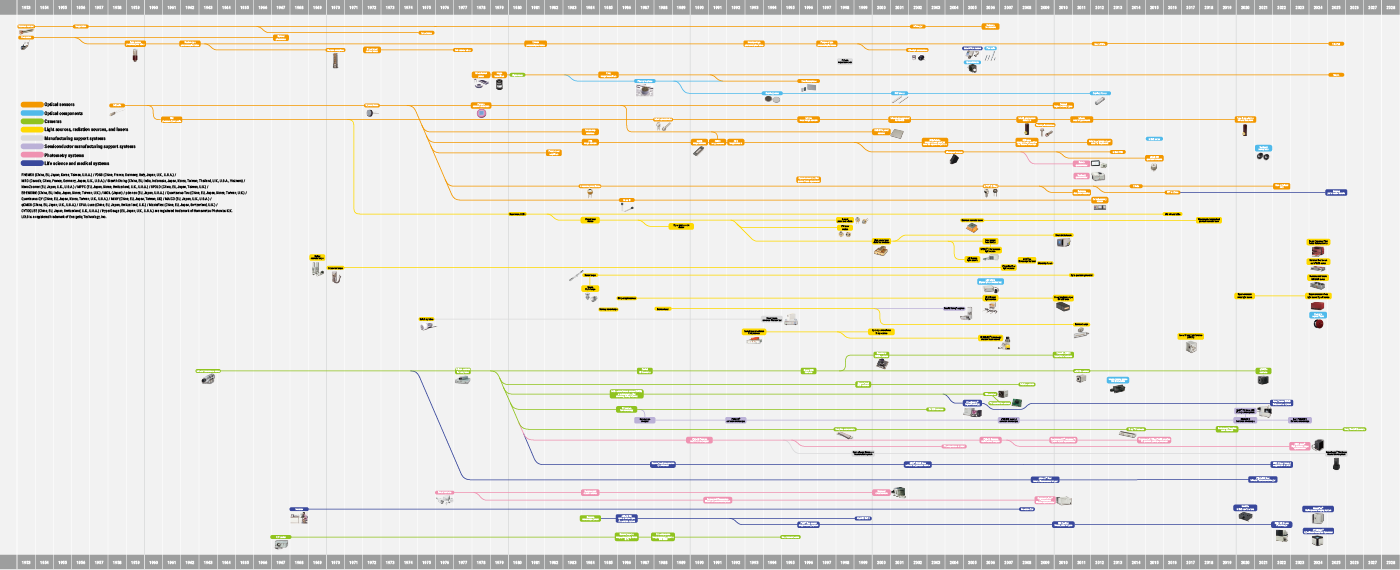
Product development lineage
Our product development has evolved from individual technologies into a wide variety of products. This lineage chart highlights the launch years of our major products and the technological links that connect them.
Pioneering photonics technologies
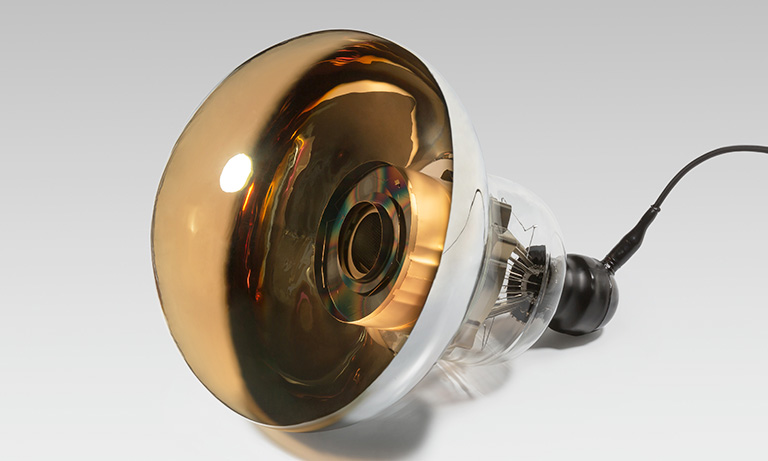
Photomultiplier tubes
Photomultiplier tubes (PMTs), highly sensitive photosensors, are one of our core products and hold approximately 90 % of the global market share. They are used in a wide range of applications, including medical-bio, analytical, and industrial fields.
Our highly sensitive PMTs have expanded their applications in scientific research and contributed to two Nobel Prizes in Physics.
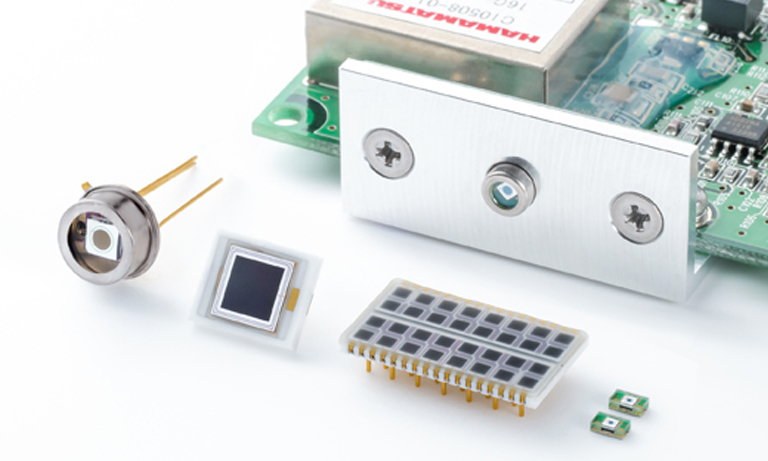
Photodiodes
Our photodiodes have long been used in a broad range of applications, including scientific measurement, medical, automotive, industrial, and consumer electronics. They are also used at the forefront of high-energy physics research.
Our avalanche photodiodes (APDs) and silicon strip detectors (SSDs) contributed to confirming the existence of the Higgs boson.
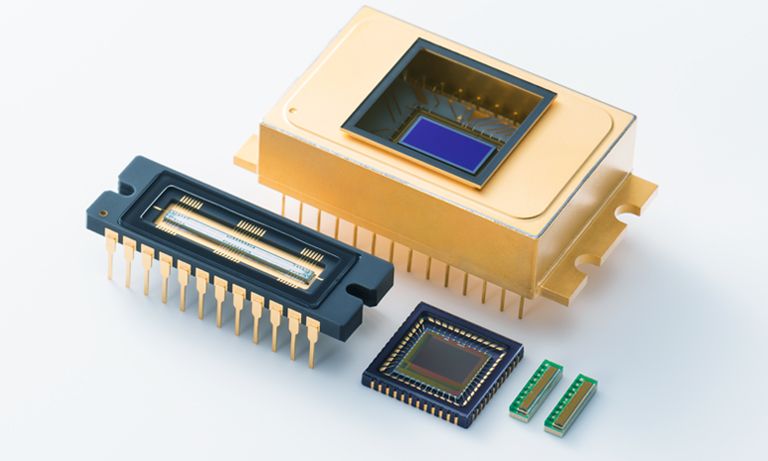
Image sensors
In 2010, the asteroid explorer Hayabusa made a miraculous return, attracting attention from all over the world. Image sensors developed by Hamamatsu Photonics were chosen for two devices used to investigate the composition of the surface of the asteroid Itokawa.
The InAs image sensor was also used in Hayabusa2, which was launched in 2014, to measure moisture on the surface of an asteroid.
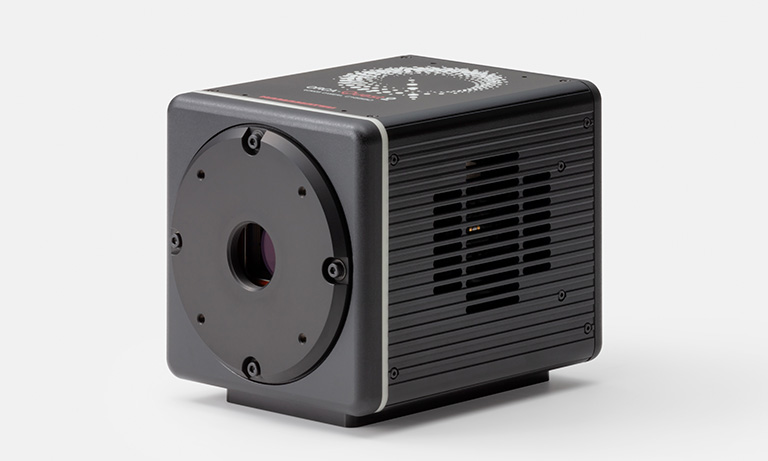
qCMOS® cameras
The qCMOS camera is an ultra-sensitive camera that combines extremely low noise performance with fast readout.
They have been used to analyze samples from the asteroid Ryugu collected by the Hayabusa2 asteroid explorer, helping to unravel many mysteries.
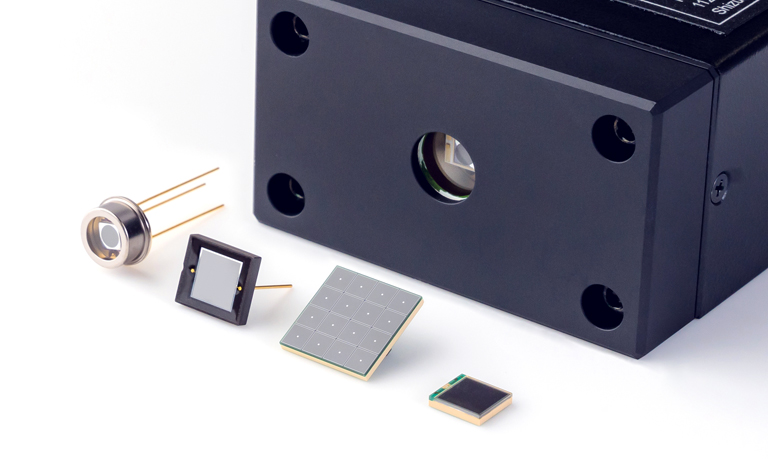
MPPC® (SiPMs)
While MPPC is an optical semiconductor device, it has an excellent detection ability, so this device can be used in a variety of applications to detect very low-level light at the photon counting level.
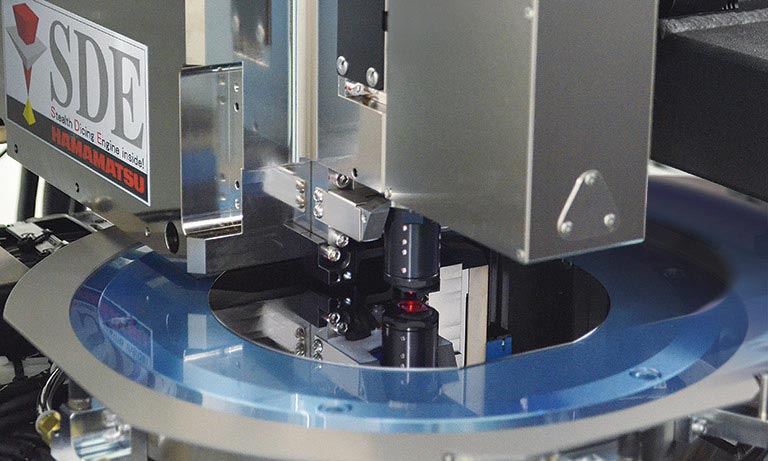
Stealth Dicing™ technology
Stealth Dicing technology is a laser dicing technology that uses lasers, with a completely new concept. Blade dicing problems are solved by, for example, achieving a noncontact, fully dry process.
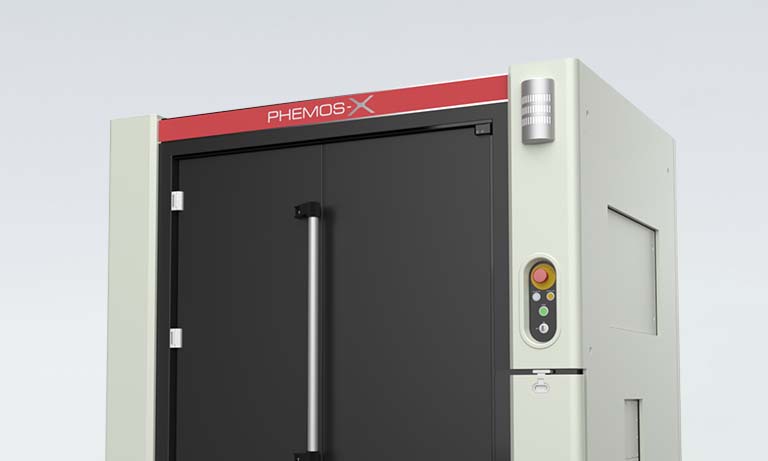
Failure analysis system
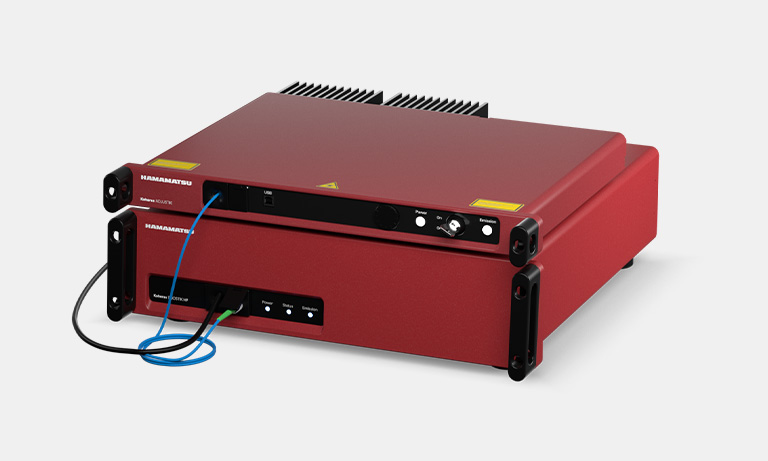
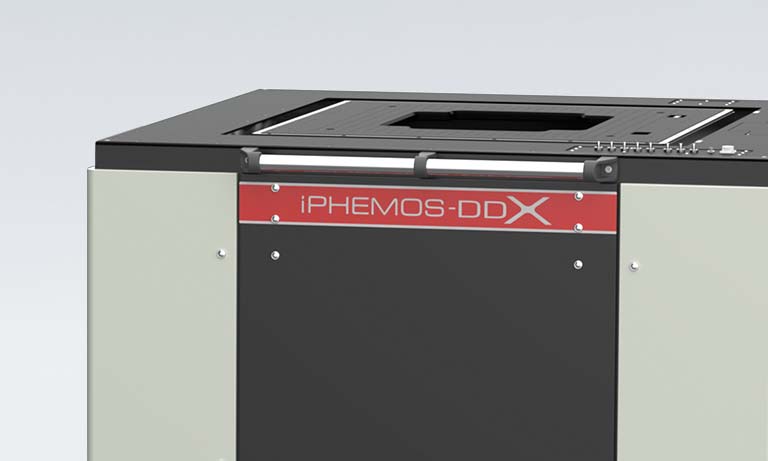
Imaging systems for localizing low light photoemission and thermal signal emitting semiconductor failures. Fault location identification ensures semiconductor device quality and reliability by pinpointing specific defect areas.
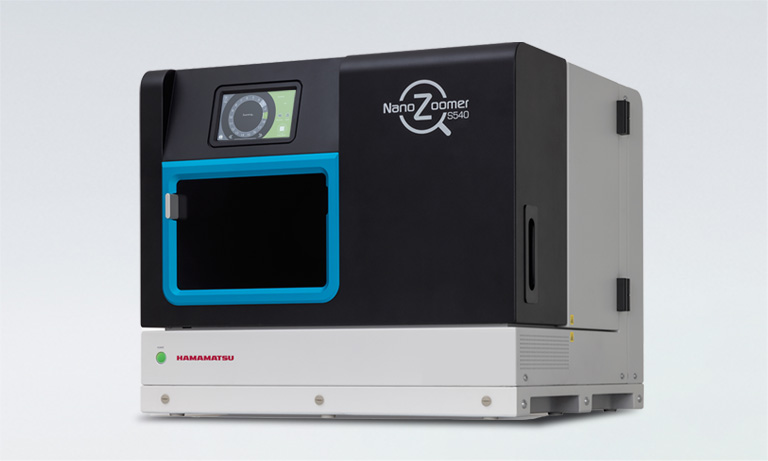
Digital slide scanner
Digital slide scanner is a family of whole slide scanners that convert glass slides into high-resolution digital data by high-speed scanning.
Creating what does not yet exist
A new “イ” character
On December 25, 1925, in Hamamatsu City, the Japanese character “イ” appeared electronically on a cathode ray tube. It was the moment when Dr. Takayanagi—later known as the Father of Television in Japan—created something the world had never seen before. This "television" technology transformed the lives of people around the world.
Research aimed at creating what does not yet exist and developing technologies that may seem impossible is often demanding. Yet such efforts can also lead to unexpected breakthroughs. We believe that such initiatives are precisely what brings new value to people and creates new industries in the world.
Inspired by Dr. Takayanagi’s spirit, Hamamatsu Photonics remains committed to the research and development of innovative technologies that contribute to society.
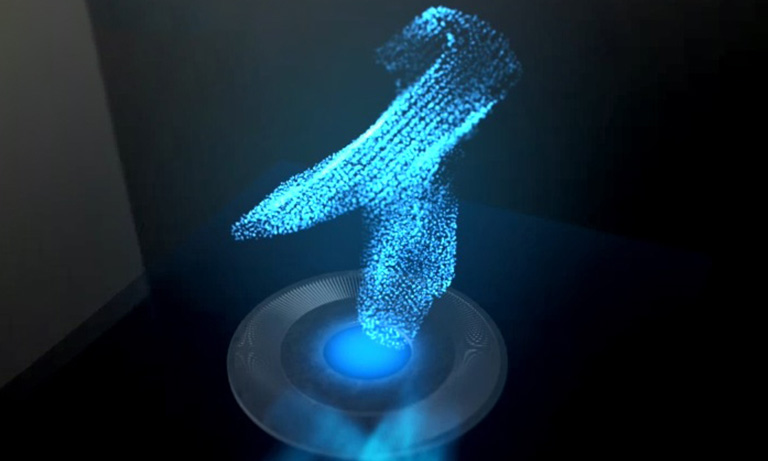
iPMSEL®
iPMSELs are surface-emitting-lasers originally developed by us that emit an arbitrary two-dimensional beam pattern directly from needle-tip-sized devices. In addition, the beam patterns can easily be switched electrically by integrating several devices into a module. The potential applications include LiDAR, three-dimensional shape measurement, indication, with our ultimate goal to realize a key light source for true three-dimensional displays.
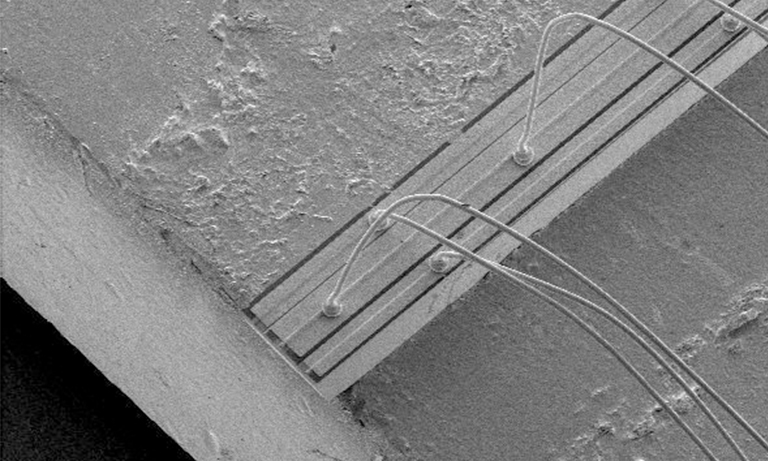
Room-temperature THz-QCL source
Quantum cascade lasers (QCLs) are promising light sources in the mid-infrared (IR) and terahertz (THz) spectral ranges (3 μm to 300 μm). In particular, the 1 THz to 6 THz spectral range is very attractive for many applications, such as imaging, chem-/bio-sensing, heterodyne detection, and spectroscopy.
QCLs based on the anti-crossed dual-upper-state (AnticrossDAUTM) active region, which was originally developed by our group, are a promising candidate due to its broad bandwidth as well as its high performance in devices.
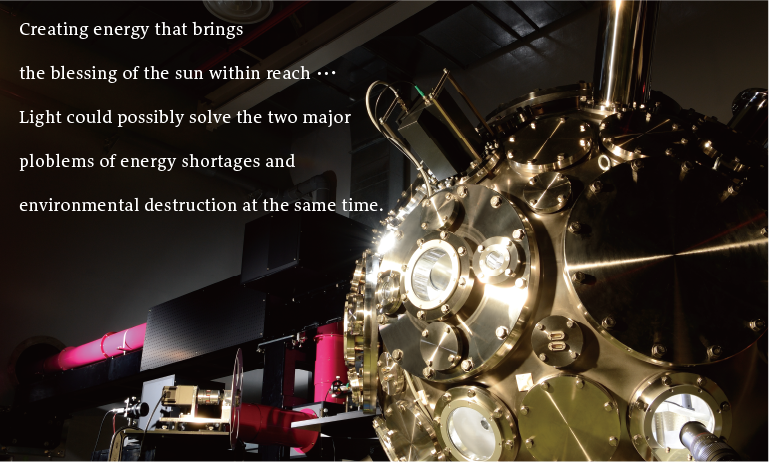
Laser fusion research
One of the issues that must be solved in modern society is the energy problem. At present, more than 80% of Japan's primary energy comes from fossil fuels, but there is a limit to the energy resources on Earth. Under these circumstances, nuclear fusion power generation, which can extract energy from hydrogen isotopes inexhaustible in seawater, is said to be the key to solving environmental problems such as global energy problems and global warming, and is expected to be realized at an early stage. In particular, fusion power generation using high-power lasers is the ultimate industrial application using optical and laser technologies, and we are aiming to create a new optical industry centered on laser fusion.
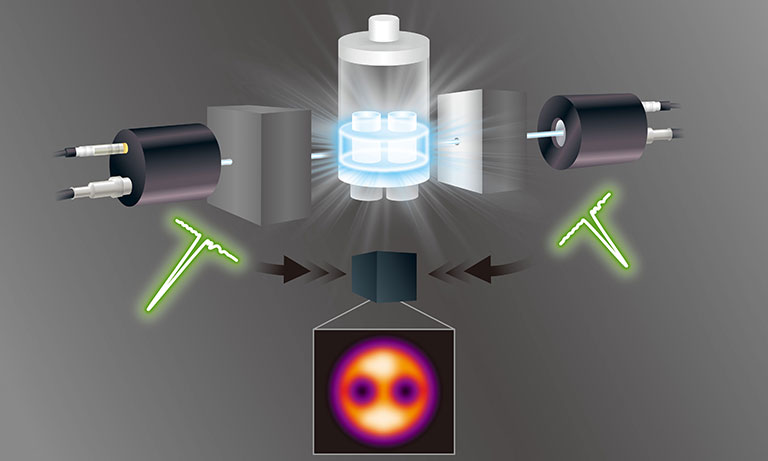
High temporal performance gamma-ray detector
We have been developing a high temporal performance radiation detector making use of Cherenkov radiation, and investigating its feasibility as a PET detector.
- Confirmation
-
It looks like you're in the . If this is not your location, please select the correct region or country below.
You're headed to Hamamatsu Photonics website for JP (English). If you want to view an other country's site, the optimized information will be provided by selecting options below.
In order to use this website comfortably, we use cookies. For cookie details please see our cookie policy.
- Cookie Policy
-
This website or its third-party tools use cookies, which are necessary to its functioning and required to achieve the purposes illustrated in this cookie policy. By closing the cookie warning banner, scrolling the page, clicking a link or continuing to browse otherwise, you agree to the use of cookies.
Hamamatsu uses cookies in order to enhance your experience on our website and ensure that our website functions.
You can visit this page at any time to learn more about cookies, get the most up to date information on how we use cookies and manage your cookie settings. We will not use cookies for any purpose other than the ones stated, but please note that we reserve the right to update our cookies.
1. What are cookies?
For modern websites to work according to visitor’s expectations, they need to collect certain basic information about visitors. To do this, a site will create small text files which are placed on visitor’s devices (computer or mobile) - these files are known as cookies when you access a website. Cookies are used in order to make websites function and work efficiently. Cookies are uniquely assigned to each visitor and can only be read by a web server in the domain that issued the cookie to the visitor. Cookies cannot be used to run programs or deliver viruses to a visitor’s device.
Cookies do various jobs which make the visitor’s experience of the internet much smoother and more interactive. For instance, cookies are used to remember the visitor’s preferences on sites they visit often, to remember language preference and to help navigate between pages more efficiently. Much, though not all, of the data collected is anonymous, though some of it is designed to detect browsing patterns and approximate geographical location to improve the visitor experience.
Certain type of cookies may require the data subject’s consent before storing them on the computer.
2. What are the different types of cookies?
This website uses two types of cookies:
- First party cookies. For our website, the first party cookies are controlled and maintained by Hamamatsu. No other parties have access to these cookies.
- Third party cookies. These cookies are implemented by organizations outside Hamamatsu. We do not have access to the data in these cookies, but we use these cookies to improve the overall website experience.
3. How do we use cookies?
This website uses cookies for following purposes:
- Certain cookies are necessary for our website to function. These are strictly necessary cookies and are required to enable website access, support navigation or provide relevant content. These cookies direct you to the correct region or country, and support security and ecommerce. Strictly necessary cookies also enforce your privacy preferences. Without these strictly necessary cookies, much of our website will not function.
- Analytics cookies are used to track website usage. This data enables us to improve our website usability, performance and website administration. In our analytics cookies, we do not store any personal identifying information.
- Functionality cookies. These are used to recognize you when you return to our website. This enables us to personalize our content for you, greet you by name and remember your preferences (for example, your choice of language or region).
- These cookies record your visit to our website, the pages you have visited and the links you have followed. We will use this information to make our website and the advertising displayed on it more relevant to your interests. We may also share this information with third parties for this purpose.
Cookies help us help you. Through the use of cookies, we learn what is important to our visitors and we develop and enhance website content and functionality to support your experience. Much of our website can be accessed if cookies are disabled, however certain website functions may not work. And, we believe your current and future visits will be enhanced if cookies are enabled.
4. Which cookies do we use?
There are two ways to manage cookie preferences.
- You can set your cookie preferences on your device or in your browser.
- You can set your cookie preferences at the website level.
If you don’t want to receive cookies, you can modify your browser so that it notifies you when cookies are sent to it or you can refuse cookies altogether. You can also delete cookies that have already been set.
If you wish to restrict or block web browser cookies which are set on your device then you can do this through your browser settings; the Help function within your browser should tell you how. Alternatively, you may wish to visit www.aboutcookies.org, which contains comprehensive information on how to do this on a wide variety of desktop browsers.
5. What are Internet tags and how do we use them with cookies?
Occasionally, we may use internet tags (also known as action tags, single-pixel GIFs, clear GIFs, invisible GIFs and 1-by-1 GIFs) at this site and may deploy these tags/cookies through a third-party advertising partner or a web analytical service partner which may be located and store the respective information (including your IP-address) in a foreign country. These tags/cookies are placed on both online advertisements that bring users to this site and on different pages of this site. We use this technology to measure the visitors' responses to our sites and the effectiveness of our advertising campaigns (including how many times a page is opened and which information is consulted) as well as to evaluate your use of this website. The third-party partner or the web analytical service partner may be able to collect data about visitors to our and other sites because of these internet tags/cookies, may compose reports regarding the website’s activity for us and may provide further services which are related to the use of the website and the internet. They may provide such information to other parties if there is a legal requirement that they do so, or if they hire the other parties to process information on their behalf.
If you would like more information about web tags and cookies associated with on-line advertising or to opt-out of third-party collection of this information, please visit the Network Advertising Initiative website http://www.networkadvertising.org.
6. Analytics and Advertisement Cookies
We use third-party cookies (such as Google Analytics) to track visitors on our website, to get reports about how visitors use the website and to inform, optimize and serve ads based on someone's past visits to our website.
You may opt-out of Google Analytics cookies by the websites provided by Google:
https://tools.google.com/dlpage/gaoptout?hl=en
As provided in this Privacy Policy (Article 5), you can learn more about opt-out cookies by the website provided by Network Advertising Initiative:
http://www.networkadvertising.org
We inform you that in such case you will not be able to wholly use all functions of our website.
Close